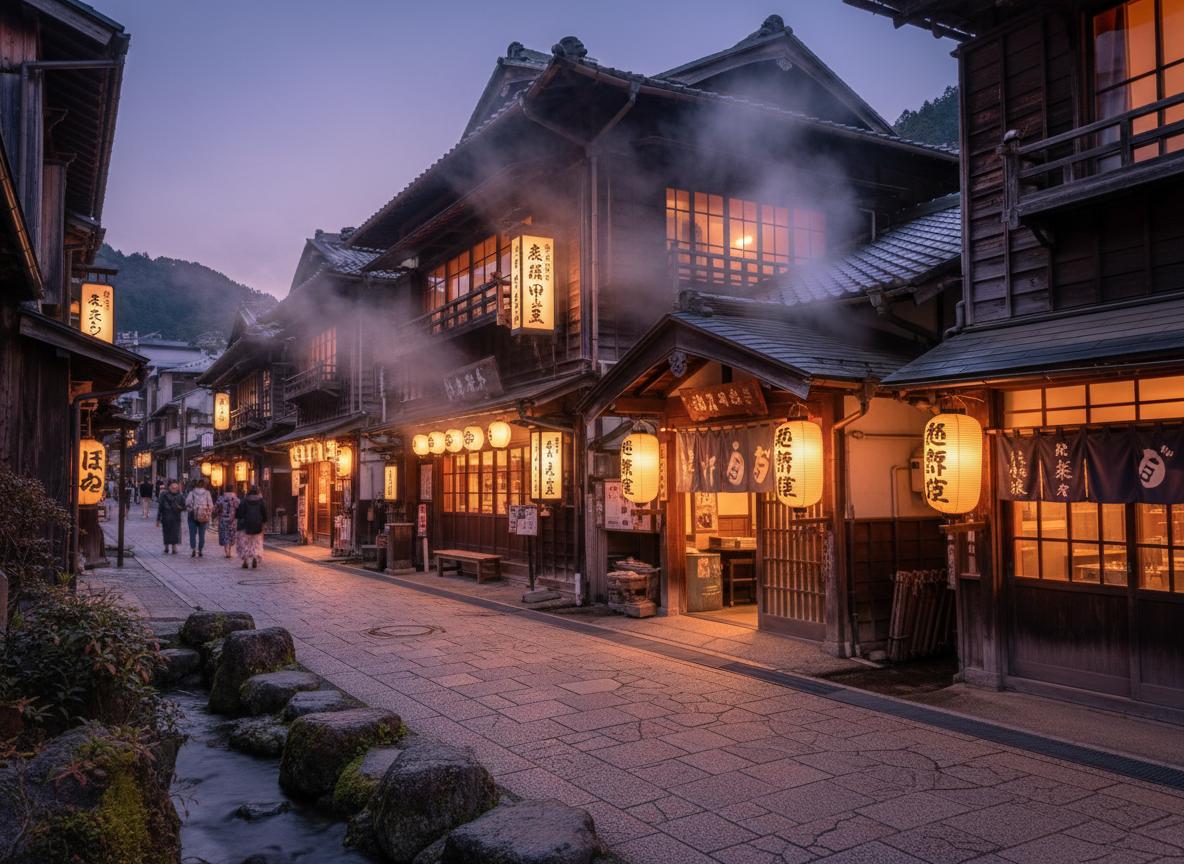
Onsen Hot Springs
From lively public bathhouses in Ito to cliffside rotenburo where you listen to waves while soaking. Five towns, five completely different vibes.
read the onsen guide →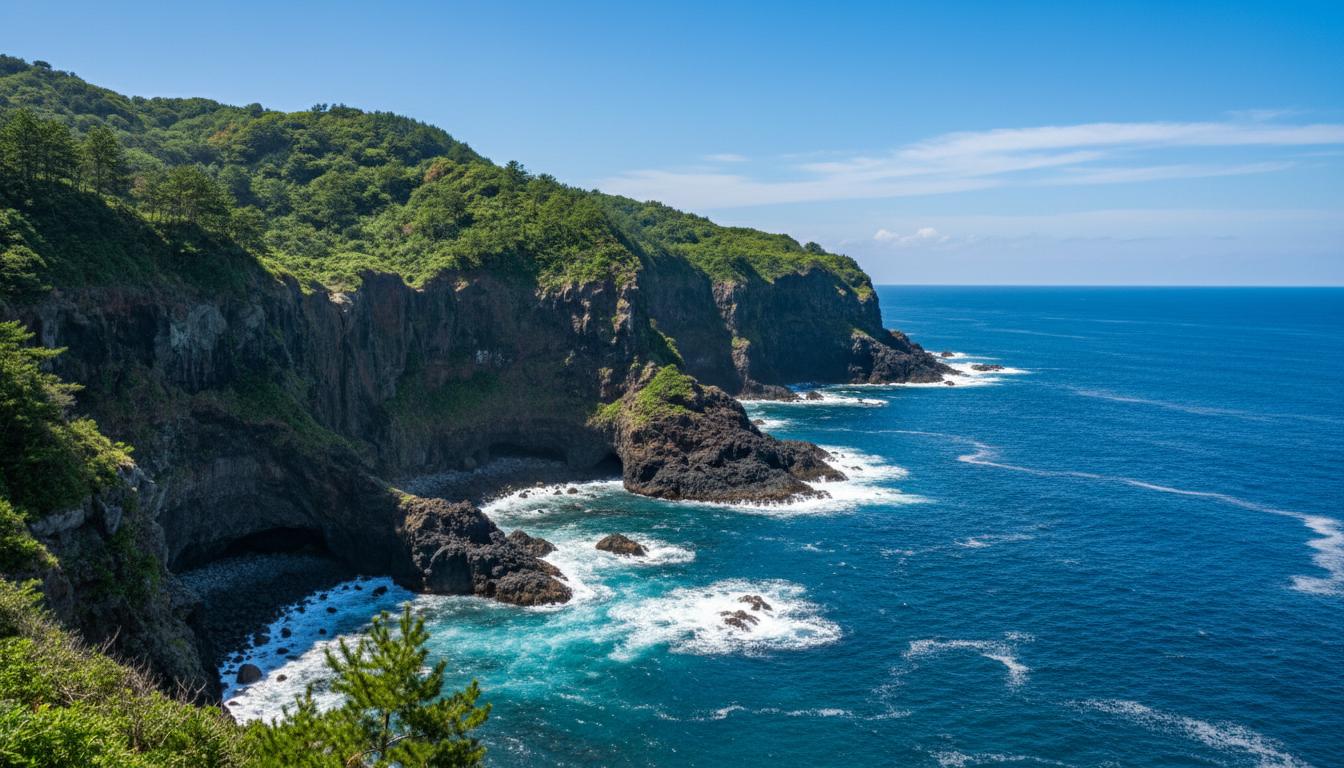
Onsen hot springs, cliffside coastal roads, fresh seafood villages, and mountain trails. Everything you need for a trip to Izu, written by people who keep going back.
start exploringTokyo wears you down. The trains, the crowds, the fluorescent lights at 10pm when you're still in the office. You need a break. Not a flight to Okinawa — that's too far, too expensive, too much planning. You need something closer. Something you can do on a regular weekend without burning vacation days.
That's Izu. Two hours from Tokyo by train, and you're in a different world. Steam rises from outdoor hot springs perched above the Pacific. Fishing boats come in at dawn with golden eye snapper that'll be on your plate by lunch. Mountain trails cut through bamboo groves and past waterfalls that nobody told you about.
Kenji's grandfather used to take him to Ito Onsen every winter. They'd eat kinmedai and fall asleep in the ryokan bath. That's the Izu we're talking about. Not the packaged tour version. The real one.
Izu is a thumb-shaped peninsula jutting into the Pacific Ocean from Shizuoka Prefecture. It's about 100 kilometers south of Tokyo at its closest point. The eastern coast faces the open ocean — dramatic cliffs, deep blue water, the kind of views that make you pull the car over. The western coast is calmer, facing Suruga Bay, with quieter fishing villages and sunset views. In the middle, mountains. Volcanic mountains, actually. Izu is geologically young and still actively volcanic, which is exactly why there are so many hot springs.
The peninsula has been a resort destination since the Edo period, when the shogun himself built a villa in Shuzenji. But it never got the international fame of Kyoto or Hakone, and honestly that's part of the appeal. You won't find busloads of tourists here. You'll find Japanese families on weekend trips, hikers who know about the trails, and a growing number of foreigners who've figured out that Izu offers everything Hakone does, but cheaper and with better seafood.
From lively public bathhouses in Ito to cliffside rotenburo where you listen to waves while soaking. Five towns, five completely different vibes.
read the onsen guide →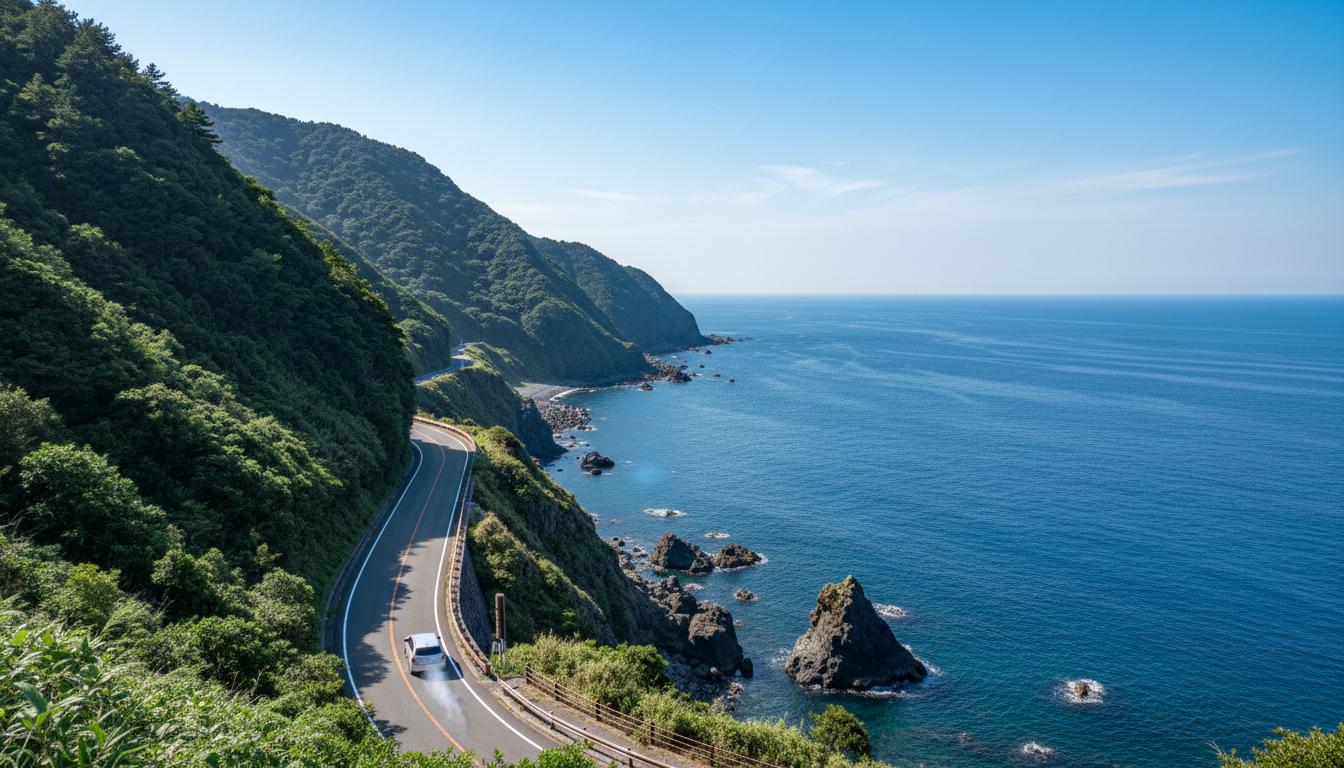
Route 136 and 414 along some of Japan's most dramatic coastline. Jogasaki suspension bridge, Cape Irozaki lighthouse, and the volcano you can walk around.
explore the coast →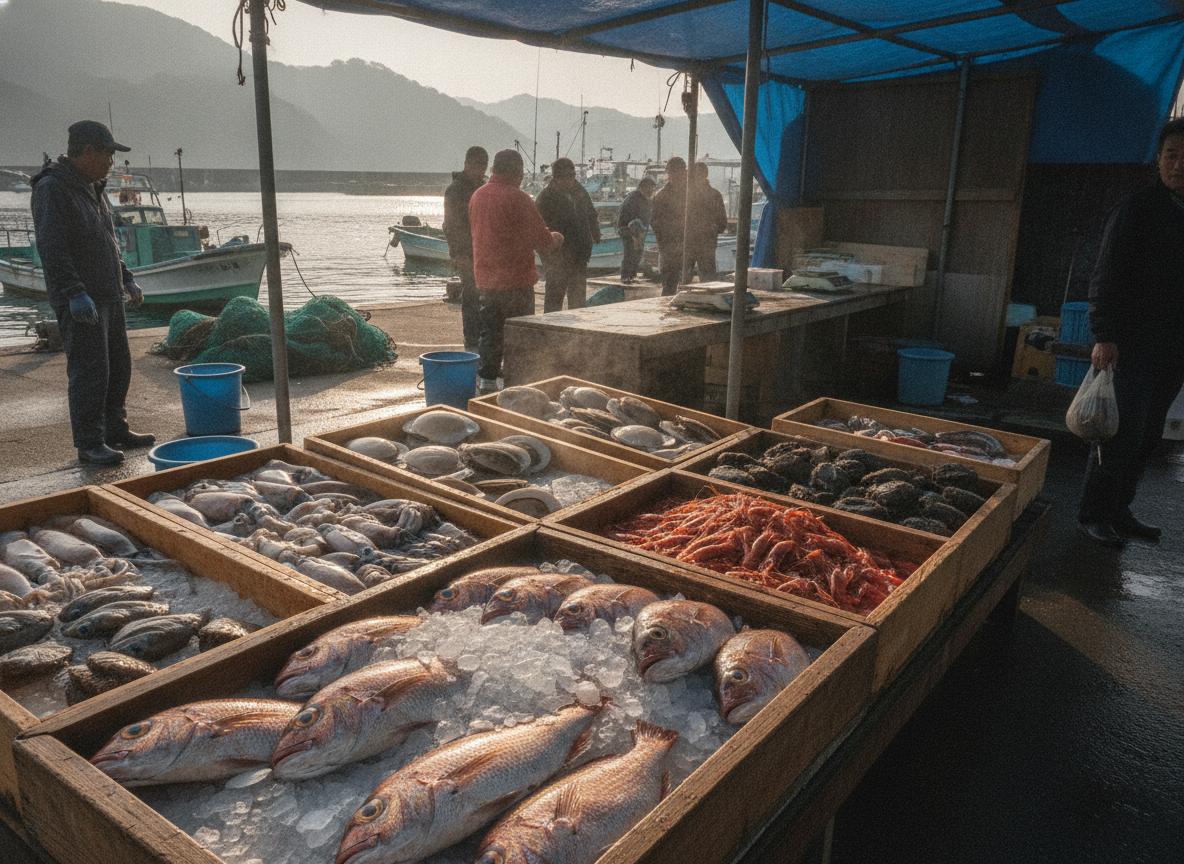
Kinmedai in Inatori, sakura ebi in Kawazu, spiny lobster in Minami-Izu. Harbor restaurants where your lunch was swimming this morning.
see the villages →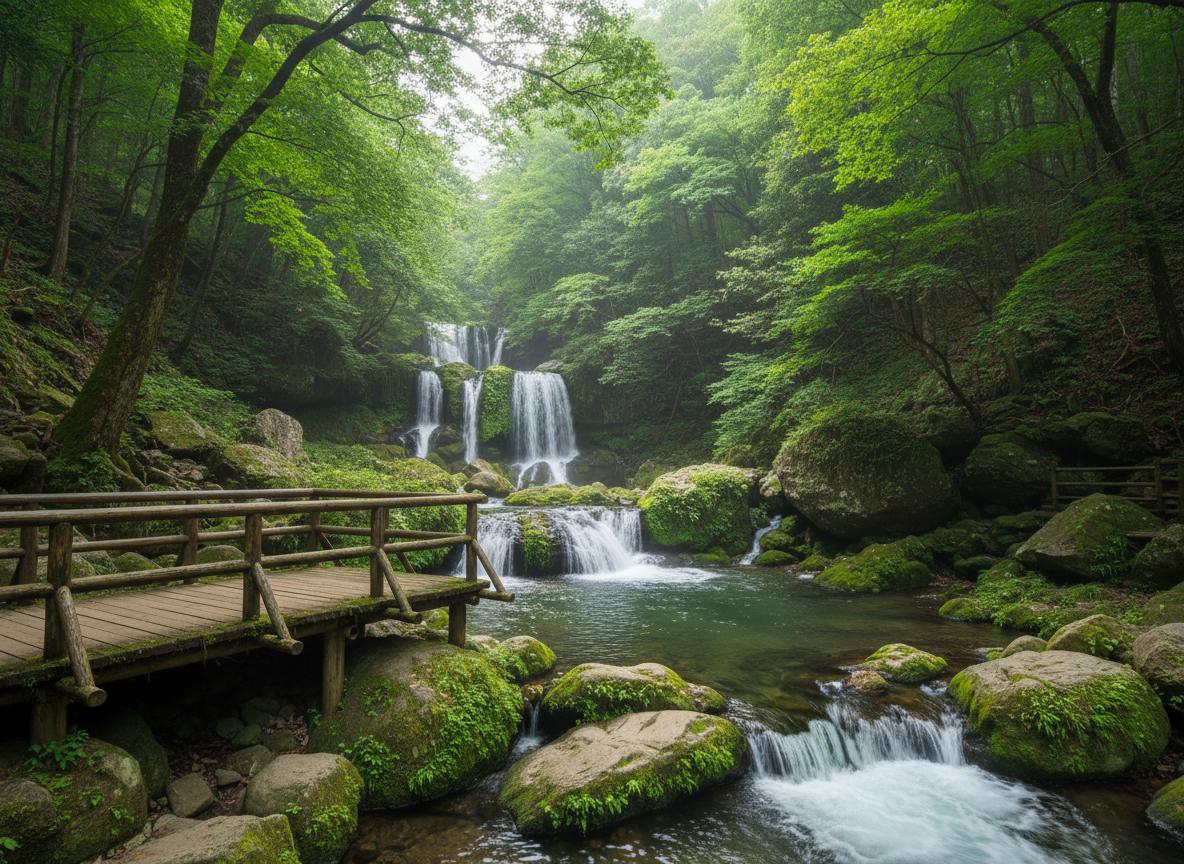
From easy coastal walks to the full Mount Amagi traverse. Waterfalls, bamboo groves, and onsen waiting at the end.
find a trail →
Luxury ryokan with kaiseki dinners, family-run guesthouses, and budget options. Ito has the most choices. Shuzenji has the best atmosphere.
find lodging →Look, Hakone is fine. It's convenient, it's famous, it's got that lake with the view of Mount Fuji on clear days. But Hakone is also crowded, expensive, and honestly a bit played out. The onsen there know they can charge ¥2,000 for a bath because tourists will pay it. The restaurants near the station are mediocre at best. And on a three-day weekend, you'll be queuing for everything.
Atami is closer to Tokyo — only 50 minutes on the Shinkansen. But Atami is basically one long steep hill with a crowded beach and overpriced ryokan. The town feels tired. The famous Atami onsen water is fine, but you're soaking while looking at concrete buildings. There's a reason we don't send people to Atami.
Izu is different. It takes a bit more effort to get to, and that's the point. The extra hour on the train filters out the casual tourists. You get real fishing harbors, not souvenir shops. You get onsen with ocean views, not parking lot views. You get trails where you might not see another person for an hour.
And the seafood. Hakone is inland — it's got lake fish at best. Atami has seafood but it's mostly imported and targeted at tourists. Izu's harbors bring in fresh catch every morning. Kinmedai from Inatori is considered some of the best fish in Japan. You can eat it sashimi-style at a harbor-side restaurant for ¥1,500. Try finding that in Hakone.
Cost-wise, Izu wins too. A night at a decent ryokan in Hakone starts around ¥20,000 per person. In Izu, you can find good ones for ¥12,000-¥15,000. Onsen entry fees are typically ¥300-¥800 in Izu compared to ¥1,200-¥2,000 in Hakone. Restaurants are cheaper, parking is free or minimal, and nobody's trying to sell you overpriced souvenir boxes.
The easiest way to Izu is the JR Ito Line from Tokyo. Take the Yamanote Line or any train to Shinagawa, then change to the Tokaido Main Line heading toward Atami. At Atami, transfer to the JR Ito Line which continues down the eastern coast of the peninsula.
The Limited Express Odoriko is the premium option. It runs from Tokyo Station direct to Ito, with some services continuing to Shimoda at the southern tip. The Odoriko takes about 1 hour 50 minutes to Ito and costs around ¥4,000 one-way with reserved seating. It's comfortable, reliable, and the views start getting good about an hour in.
If you're heading to the western side (Shuzenji, Nishi-Izu), take the Tokaido Shinkansen to Mishima Station (about 55 minutes from Tokyo), then transfer to the Izu Hakone Railway for the scenic ride to Shuzenji (about 35 minutes).
For the far south — Minami-Izu, Cape Irozaki — you'll want to take the JR Ito Line to Shimoda. The Odoriko express goes all the way. From Shimoda, local buses connect to the coastal areas. Note that bus service in southern Izu is limited, especially outside summer. Check schedules before you go.
Renting a car gives you the most flexibility, especially for the coastal drives and southern Izu where public transport is spotty. Rent in Mishima or Atami — both have major rental agencies near the station. Expect to pay ¥6,000-¥9,000 per day for a compact car.
From Tokyo, take the Tomei Expressway to Gotemba or the Shin-Tomei to Mishima, then follow Route 136 down the western coast or Route 414 across the center. Tolls from Tokyo to Izu run about ¥2,500-¥3,500 each way depending on your exit.
Driving in Izu is mostly easy — the roads are well-maintained and traffic is light outside peak season. The coastal roads are winding and scenic. Take your time. There are pullouts every few kilometers with views worth stopping for.
Our advice: If you're staying in one town and just soaking in onsen, take the train. If you want to see the coast and multiple villages, rent a car for at least one day. The best trips combine both — train in, rent locally for a day or two.
Izu is a year-round destination, but each season has its character. Spring (March-May) brings cherry blossoms along the coast and comfortable hiking weather. The Kawazu cherry blossoms bloom in early February, weeks earlier than Tokyo. Summer (June-August) is beach season — the water is warm, the diving is good at Hirano Beach, and the mountains provide cool escapes from the humidity.
Fall (September-November) is our favorite. The weather stabilizes after typhoon season, the mountain foliage turns, and the onsen feel incredible when there's a chill in the air. Winter (December-February) is quiet and atmospheric. The spiny lobster season peaks, onsen towns steam dramatically in the cold air, and you might get the outdoor bath all to yourself.
Typhoon season runs August through October. Check forecasts if you're visiting during this window — coastal roads can be affected by heavy rain and landslides are possible, though rare.
The first time Kenji took Lisa to Ito, they arrived in late afternoon and went straight to the harbor for dinner. The restaurant had one table left, right by the window. They ordered kinmedai sashimi and watched the fishing boats come in while the sky turned pink. The fish was so fresh it practically melted. Lisa still talks about that meal.
Tom's first trip to Izu was supposed to be a quick weekend. He planned two nights in Shuzenji, a hike, and then back to Tokyo. He stayed five nights. The light at Dogashima at sunset was unlike anything he'd shot before — the way it filtered through the clouds and lit up Suruga Bay in bands of orange and gold. He took 800 photos in one evening.
Last winter, all three of us went to Minami-Izu for spiny lobster season. The ryokan had an outdoor bath perched on a cliff, and we soaked while watching a storm roll in across the Pacific. Rain on one side, clear sky on the other, steam rising from the bath, and a dinner of lobster waiting downstairs. That's the Izu we want you to find.
Within towns, walking is usually fine. Ito, Shuzenji, and Kawazu are all compact and pedestrian-friendly. For getting between towns, the train works for the eastern coast, but buses are infrequent and slow.
Local buses do connect most areas, but schedules can be sparse — sometimes only a few per day on rural routes. The "Izu Dream Pass" and various regional bus passes can save money if you're doing extensive bus travel. Check at tourist information offices in Ito or Shuzenji stations.
If you're driving, parking is generally free or very cheap (¥200-¥500/day) at trailheads, beaches, and most attractions. The major exception is central Ito during peak season, where street parking is limited near the station.
Izu is cheaper than Tokyo but not cheap. A weekend trip for two people staying at a mid-range ryokan, eating well, and soaking in a few onsen will run about ¥40,000-¥60,000 total including transport from Tokyo. Budget travelers can do it for ¥15,000-¥20,000 by staying at hostels, eating at convenience stores, and using public baths.
Most places in Izu are still cash-heavy. Ryokan especially prefer cash — many don't accept cards at all. Restaurants vary — harbor places are usually cash-only, while hotel restaurants and larger establishments take cards. Carry plenty of cash. There are ATMs at Ito Station, Shuzenji Station, and most post offices (which accept international cards).
Wi-Fi is available at most hotels and some restaurants, but it's not universal. Consider renting a pocket Wi-Fi device or getting a Japanese SIM card for your trip. Cell coverage is generally good on the eastern coast but spotty in mountain areas and parts of the western coast.
Izu is not Tokyo. English signage exists at major stations and some tourist spots, but it's inconsistent. Restaurants outside the main tourist areas may not have English menus. Ryokan staff often speak limited English, though they're invariably patient and helpful.
We recommend learning a few basic phrases or using a translation app. Pointing works too. The people of Izu are friendly and accustomed to visitors — they'll meet you halfway. Don't let language concerns stop you from visiting. Some of our best meals came from restaurants where nobody spoke a word of English.
One thing that helps: many restaurants in Izu display plastic food models in their windows. You can point at what you want. It's not sophisticated, but it works. And honestly, the surprise of not knowing exactly what you're getting is part of the fun sometimes.
Ask ten people who know Izu well what makes it special, and you'll get ten different answers. For Kenji, it's the kinmedai at that harbor restaurant in Inatori — the one his grandfather took him to, where nothing has changed in forty years. For Lisa, it's the moment on the Amagi traverse when you break through the tree line and see the Pacific stretching to the horizon. For Tom, it's the light at Dogashima at 4:47pm on a December afternoon, when the sky turns colors that don't have names.
For many visitors, what makes Izu special is simply that it feels real. This isn't a theme park version of Japan. It's a working peninsula where people fish, farm, run small hotels, and have lived for generations. The onsen towns have souvenir shops, sure, but they also have laundromats and hardware stores and elementary schools. The fishing harbors smell like fish because they're actual working harbors, not tourist displays.
There's an authenticity to Izu that you don't always find in Japanese tourist destinations. The old woman running the minshuku in Higashi-Izu isn't performing hospitality for tourists — she's been welcoming guests the same way for thirty years. The fisherman selling his catch at Kawazu harbor isn't there for photo opportunities — he's selling fish because that's his livelihood. The bathhouse attendant in Ito knows the regulars by name because they've been coming twice a week for decades.
This authenticity comes with trade-offs. Service isn't always polished. English isn't always available. Some of the best places look unremarkable from the outside. But if you're willing to meet Izu on its own terms, the rewards are immense. You'll eat fish that was swimming that morning. You'll soak in baths that have been warming travelers for a thousand years. You'll walk trails that feel like they belong to you because there's nobody else on them.
We built this site because we believe more people should experience the Izu we know. Not the packaged version, not the Instagram highlights, but the real peninsula with all its character, quirks, and incredible moments. Start with any guide on this site. Ask us questions. And then go. Izu is waiting.
The best way to plan your Izu trip is to start with one thing that excites you most. Is it the onsen? Start with our Onsen Guide. Is it the food? Read our Fishing Villages section. Is it the views? Head to Coastal Drives. Build your trip around that one thing, then layer in the rest.
Most people spend 2-4 days in Izu, which is enough to see the highlights without rushing. A typical itinerary: base yourself in Ito for two nights (convenient, lots of options), spend one day exploring the coast and another soaking in onsen. Or stay in Shuzenji for the atmosphere and do day trips to the surrounding areas.
However long you have and whatever your budget, Izu will surprise you. It's been surprising us for years, and we keep going back because there's always something new to discover. That's the Izu we want to share with you.
Pick a section above and dive in. Each guide has practical details — prices, access, what to expect — written from actual trips, not tourism board press releases. Questions? Send us a message. We're a tiny team but we read everything.